
Georgia Tech’s strategic plan commits us to being an anchor institution, partner, and catalyst of sustainable development in our city and our state, advancing inclusive entrepreneurship, social innovation, and economic opportunity.
BBISS has defined community-engaged research and education as a priority area, executed in collaboration with the Center for Sustainable Communities Research and Education (SCoRE). Together, we engage faculty, students, and staff in long-term, strategic research and education collaborations with community partners. We build and nurture relationships that support community-led visions for sustainable change and research collaborations dedicated to an ethical and sustainable future.
BBISS also collaborates closely with other impactful groups that translate of Georgia Tech’s talent and innovation into positive societal and economic impact. Our partnership with the Office of Sustainability supports the Sustainability Next Living Campus Initiative and the Climate Action Plan while our partnership with the Ray C. Anderson Center for Sustainable Business supports business engagement for climate action and student entrepreneurship in climate tech, sustainability, and social impact. Georgia Tech is a founding partner of the New York Climate Exchange, which will expand our ability to collaborate nationally and globally.
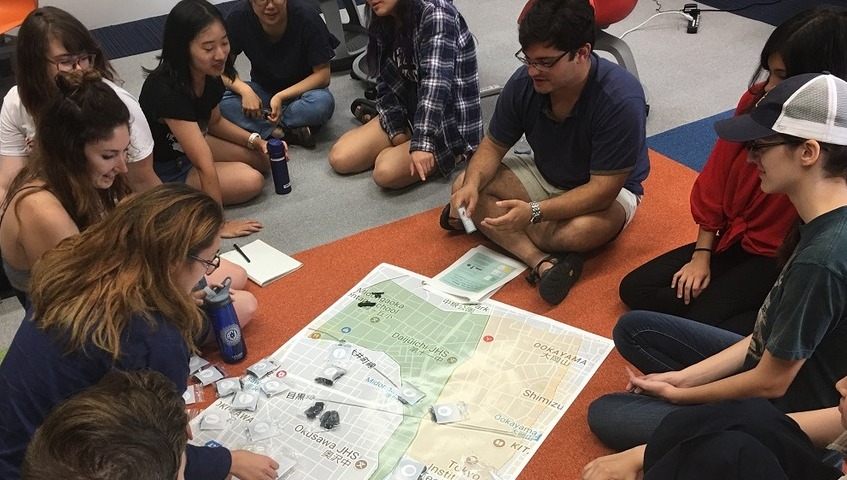
Center for Sustainable Communities Research and Education
The Center for Sustainable Communities Research and Education (SCoRE) engages faculty, students, and staff in long-term, strategic research and education collaborations with community partners, focusing on sustainability in the Atlanta region, the state of Georgia, and the Southeast. Community engaged research describes our process for integrating community partnerships into sustainability-focused research, courses, and professional development programs. Our educational programs build on the work that we started in our previous incarnation as the Center for Serve-Learn-Sustain.
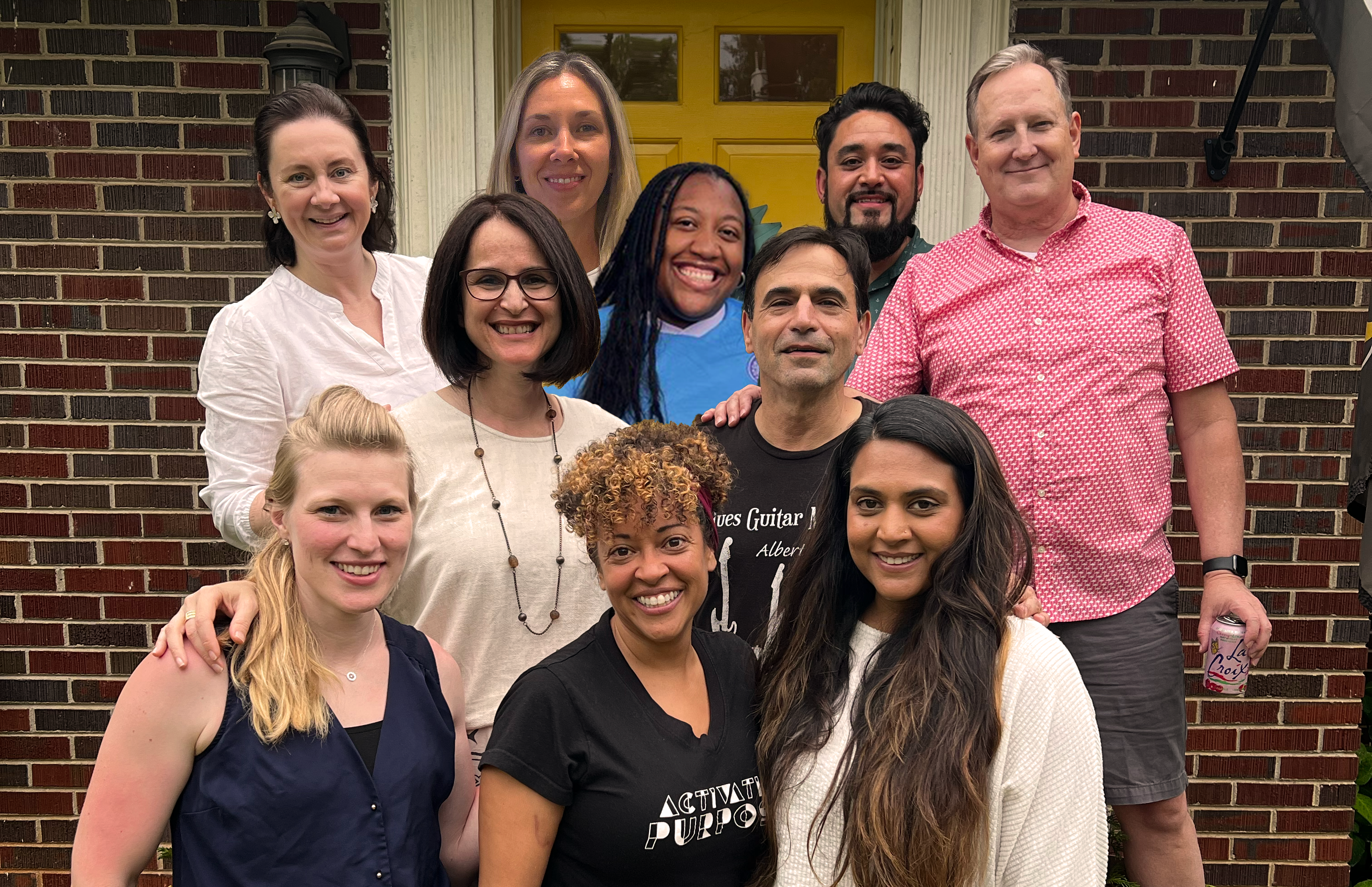
Ray C. Anderson Center for Sustainable Business
The Ray C. Anderson Center for Sustainable Business focuses on educating tomorrow's business leaders, partnering with industry practitioners, and supporting high-impact research to accelerate the development of sustainable business practices. The urgency and opportunity for sustainable business practices have never been greater. Our Center focuses on amplifying our students' passion for problem-solving, our faculty's cutting-edge research, and the power of industry to create a better world for current and future generations. We work across four thematic areas: climate action, circular economy, social performance and human rights, and environmental, social, governance (ESG) leadership.
Sustain-X
An offshoot of the successful CREATE-X entrepreneurship initiative at Georgia Tech, Sustain-X gives students, faculty, staff, and community members the tools and confidence to create and grow startups that address social and environmental challenges. Sustainable-X is supported by Sustainability Next, the implementation roadmap for sustainability goals within Georgia Tech’s Strategic Plan 2020-2030. The new program launches in tandem with a climate action plan, a living learning campus initiative, seed funding for teaching through the lens of the UN Sustainable Development Goals, and more.
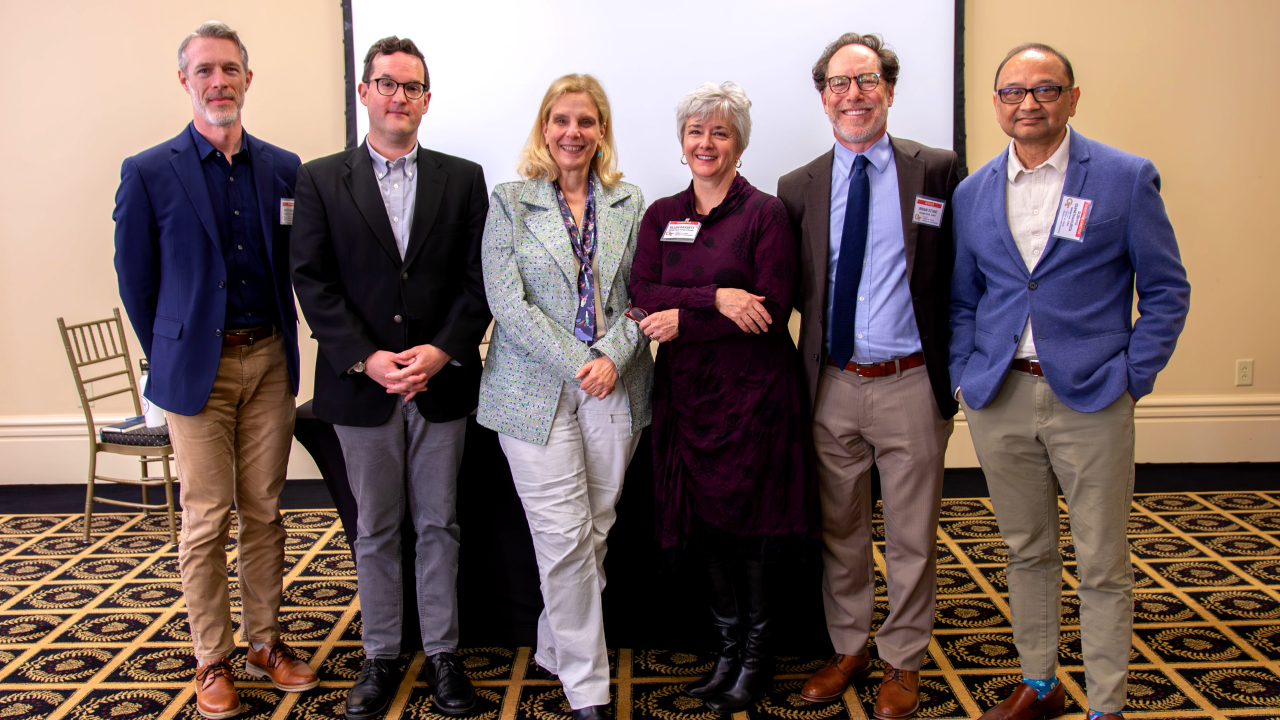
Center for Urban Resilience and Analytics (CURA)
CURA is a new interdisciplinary research center at Georgia Tech formed to synergize research addressing critical urban challenges in the College of Design, across campus, and beyond. This research center consolidates a set of Georgia Tech faculty who are nationally recognized leaders in the growing field of urban resilience planning. Thanks to the decades of research from the Center for Spatial Planning Analytics and Visualization, the Center for Quality Growth and Regional Development, and the Urban Heat Lab, our Center is positioned to tackle problems at an urban level with a signature combination of agility and technical know-how.
Georgia Tech for Georgia's Tomorrow
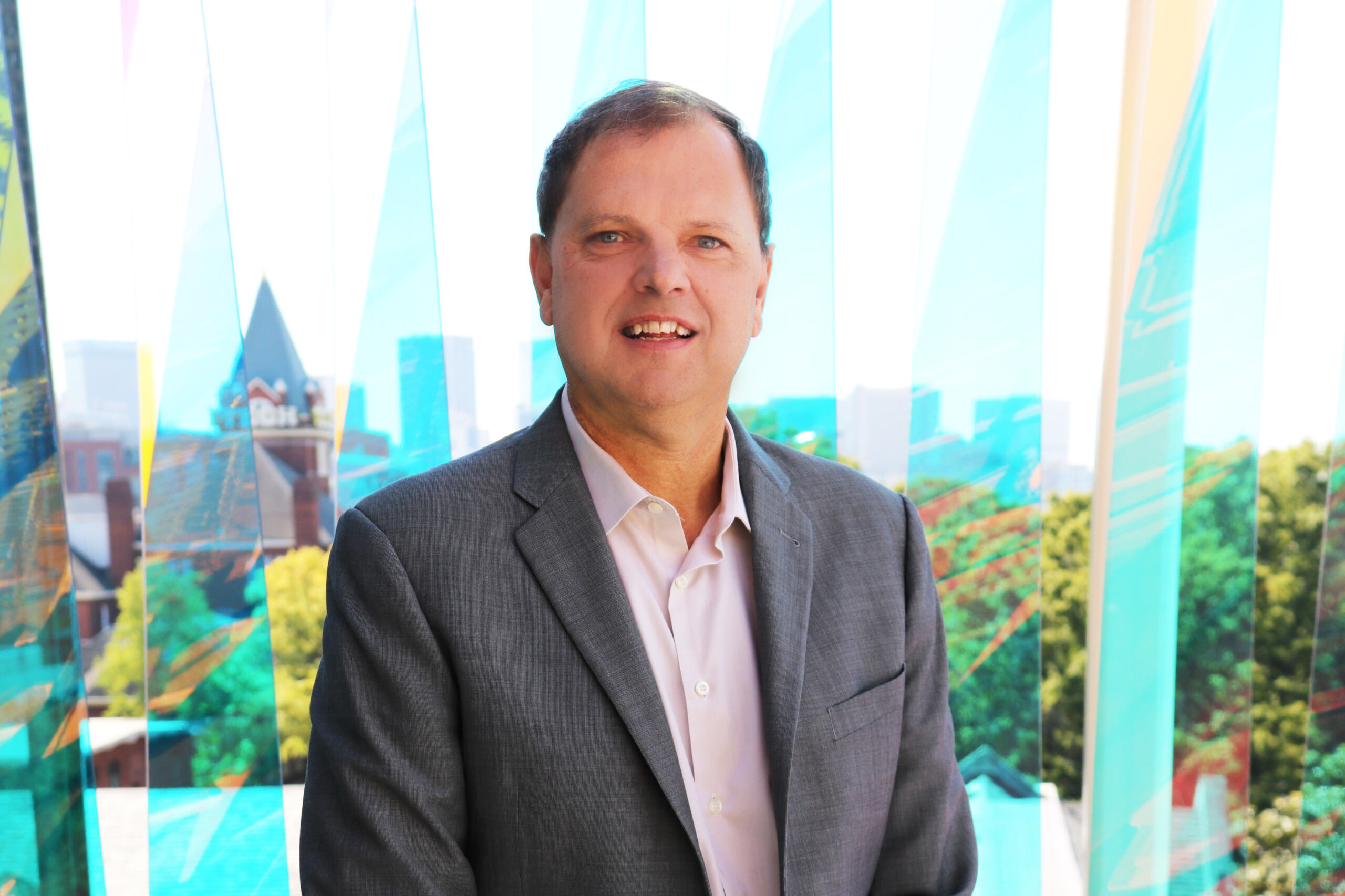
Georgia's Tomorrow was created to foster research related to the health and resilience of Georgia’s people, ecosystems, and communities. Specifically, it will serve to boost research collaboration across the Institute, pave the way for public-private partnerships, and expand opportunities for Georgia students and communities to engage with Institute research. The College of Sciences has named Professor Joel Kostka the inaugural faculty director of Georgia Tech for Georgia's Tomorrow.
Georgia Tech Office of Sustainability
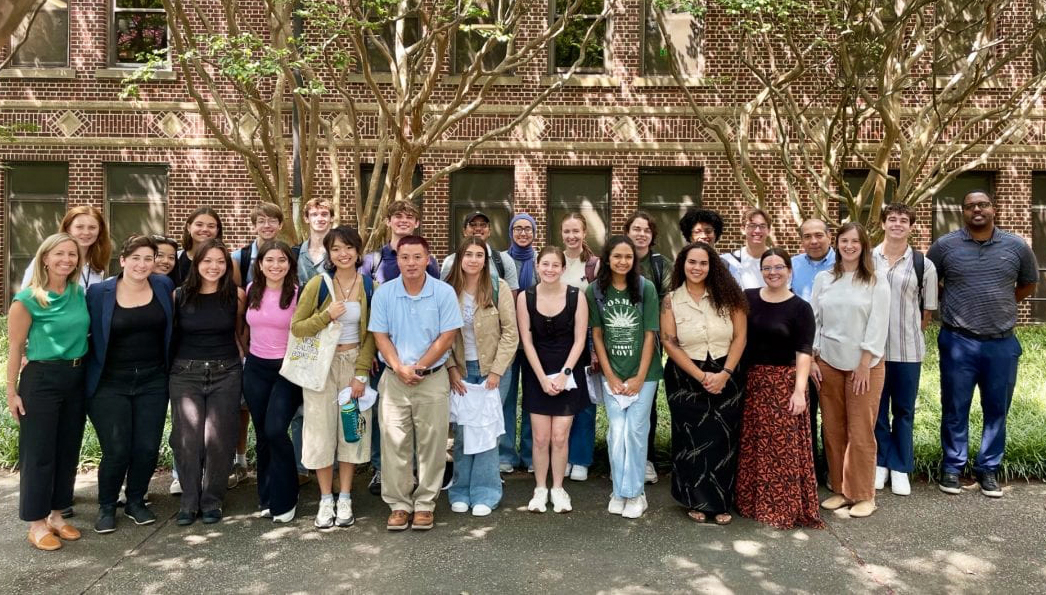
The Office of Sustainability is located within Georgia Tech’s Infrastructure and Sustainability unit. We work closely with our partners across campus to drive strategic sustainability initiatives forward that focus on the Georgia Tech campus. Some of our initiatives include sustainable lab operations, living learning campus, zero waste resource hub, and the campus green procurement guide.
Institute for Leadership and Social Impact (ILSI)
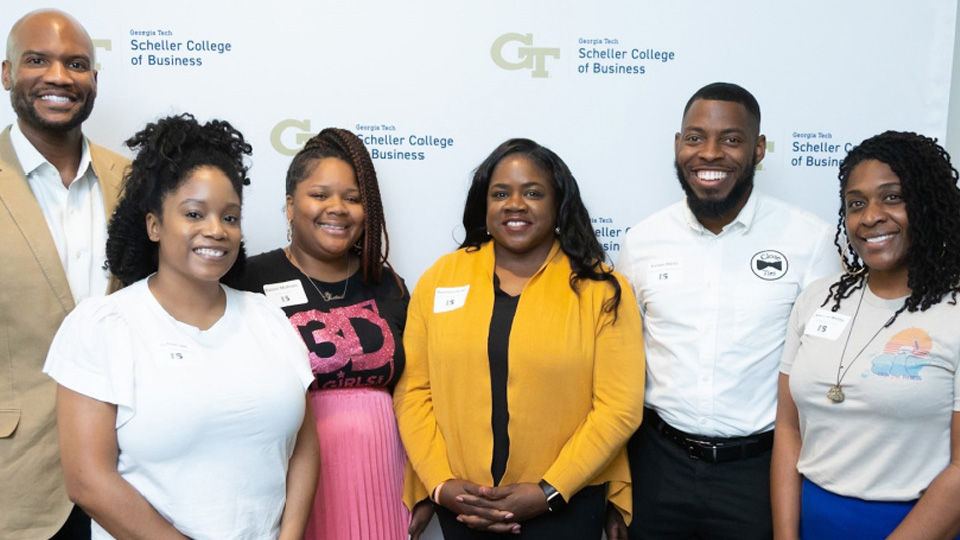
ILSI is an interdisciplinary initiative that promotes servant leadership and organizational practices that contribute to a more just, caring, and sustainable world. Through workshops, coursework, grants, and our podcast series, ILSI empowers the Georgia Tech community to consider the economic, social, and environmental impacts of business. We create spaces for meaningful collaboration among students, researchers, business leaders, and social entrepreneurs—driving transformational change at every level. By bridging academia, the private sector, and the nonprofit world, we cultivate leadership, encourage innovation, and promote a commitment to human-centered values.
New York Climate Exchange
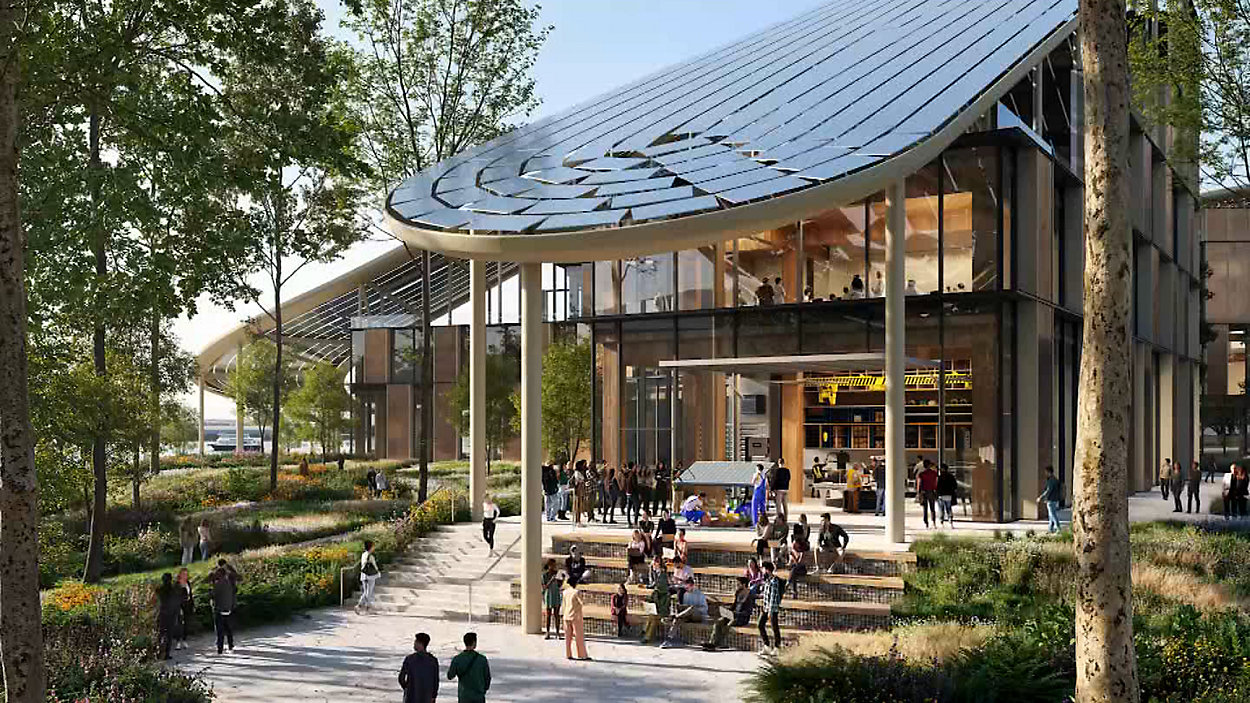
The New York Climate Exchange (NYCE) is a nonprofit that unlocks climate solutions by activating a unique partner model and climate campus—coming to Governors Island in 2029. The Exchange leverages the expertise and perspectives of 48 partners and NYC’s global influence to engage in climate research, deliver impactful education, and address the most pressing local and global climate challenges. Partners include universities, climate experts, researchers, educators, business leaders, and community organizers who are already working together to lead the way in the global response to climate change. Georgia Tech is a founding partner.